

One real price
The price on the page is the price — no crossed-out list prices, no forever-on-sale games, no countdown timers.
Canvas Tiger
Canvas prints and framed wall art for living rooms, bedrooms, and every wall between — abstracts, landscapes, coastal scenes and more, made to order and ready to hang when it arrives.
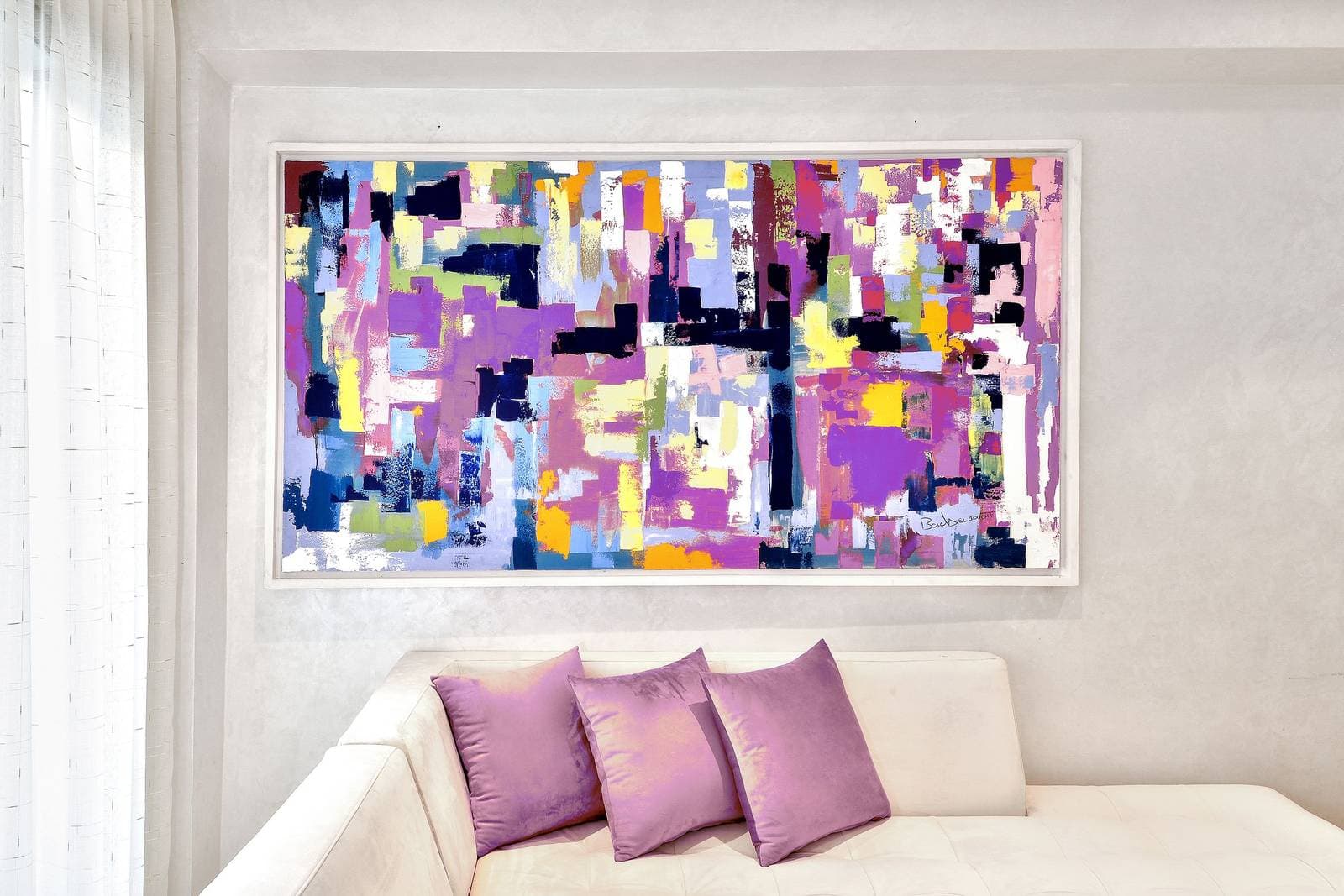
Start with the wall you’re staring at — every room has its own hub of ideas, sizes, and styles.
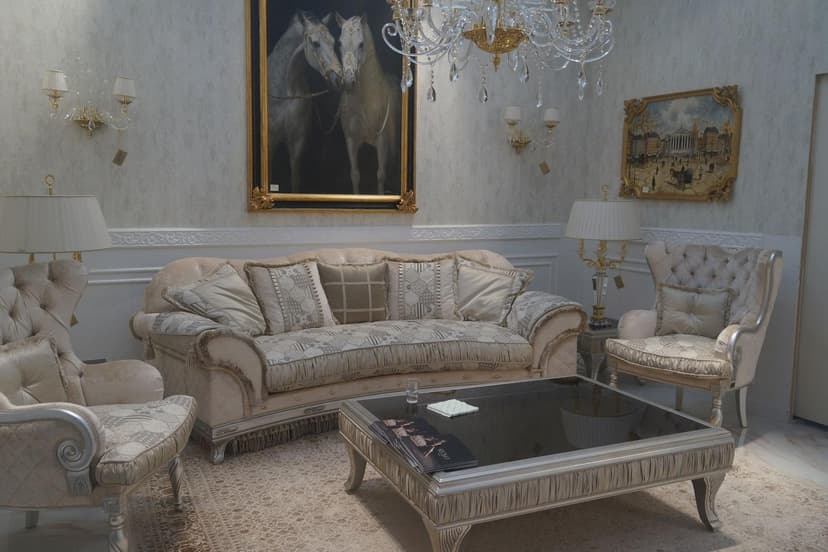
Wall art for living room walls does its heaviest lifting above the sofa: one large piece anchors the whole room, and everything else — cushions, lamps, shelves — takes its cue from that wall. It is the room to measure first and decorate around, not last.
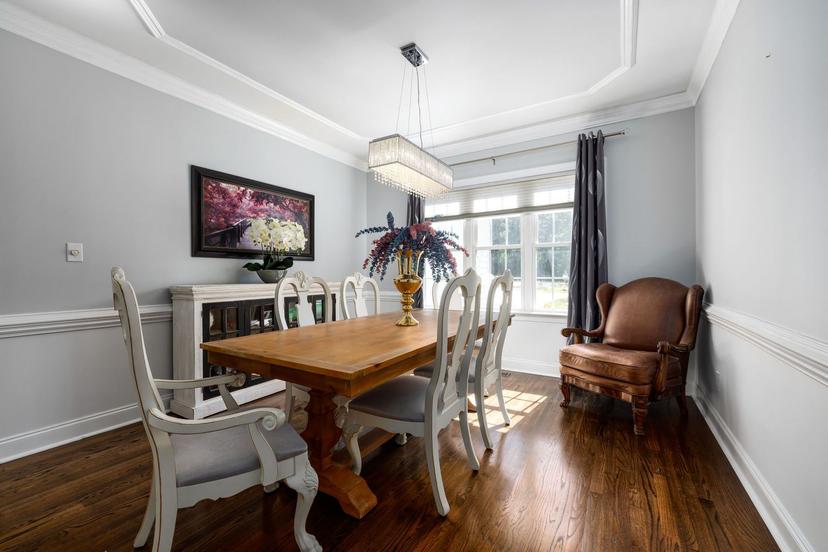
Wall art for dining room walls is seen at seated eye level, across a table, in warm evening light — so it rewards rich colour, food-and-gathering subjects, and pieces calm enough to live with through long dinners. It is the most looked-at wall in many homes and the least often planned.
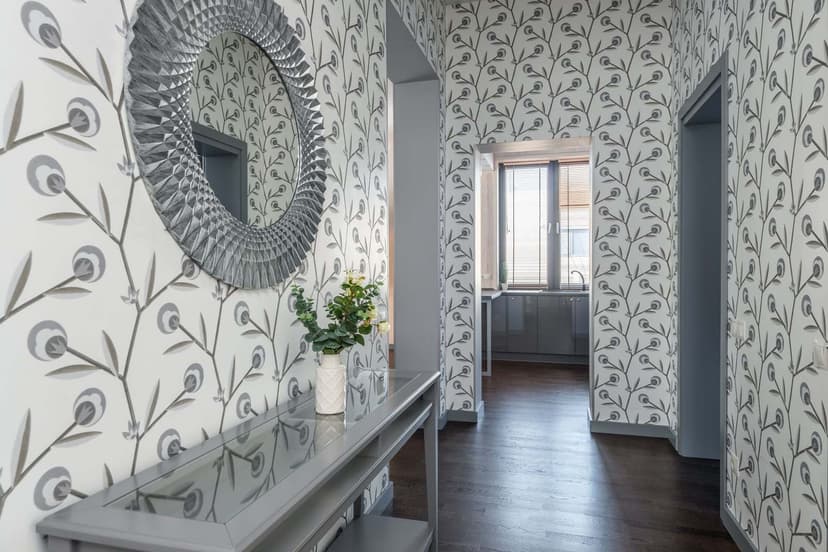
Entryway wall decor is a first impression measured in seconds. One welcoming piece — a landscape, a botanical, a piece of typography that earns its words — sets the tone for the whole home before a guest has taken off their coat.
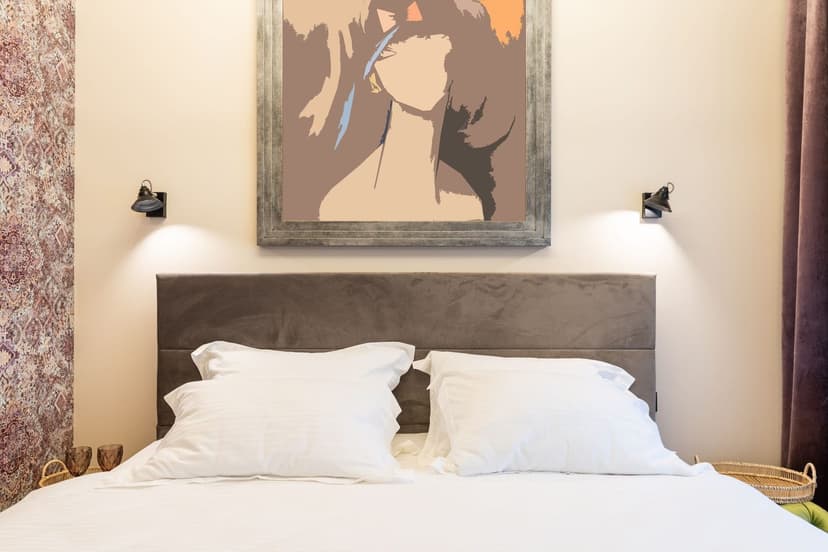
Wall art for bedroom walls is the last thing seen at night and the first on waking, so it earns its place by being calm: soft landscapes, gentle abstracts, botanicals, and photography with quiet tones. The wall above the headboard is the natural home for one wide, restful piece.
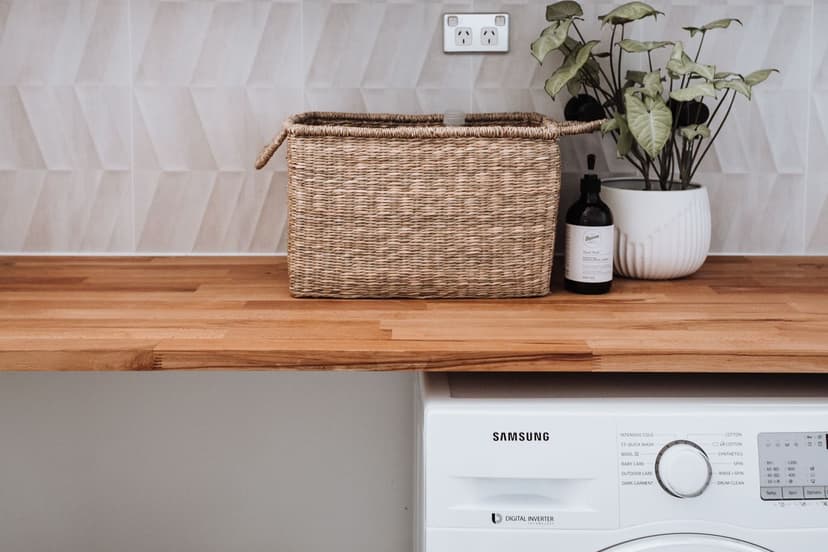
Laundry room decor claims the most underrated wall in the house: a small room where one cheerful piece — a vintage-style print, a botanical, something with a sense of humour — turns a chore room into a room people do not mind being in.
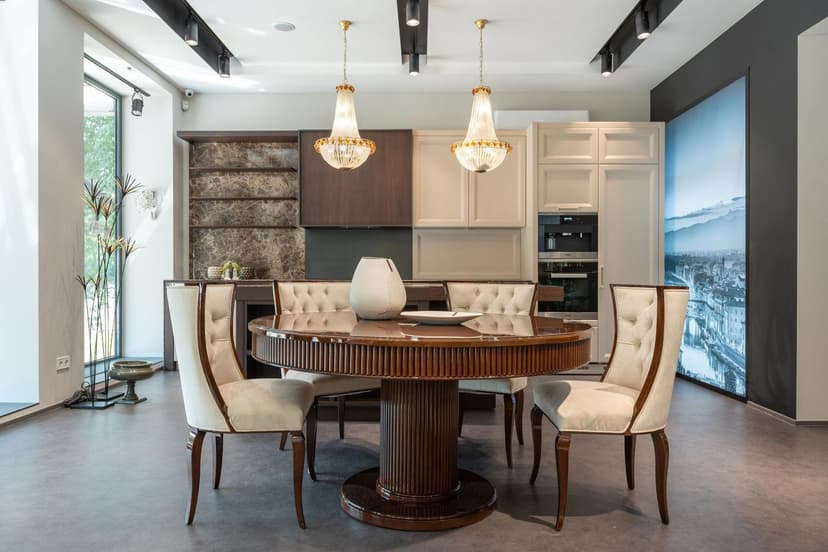
Wall art for kitchen walls lives with steam, splashes, and conversation. Food and drink subjects are the classics — still life, vintage advertising styles, market scenes — but any wipeable, cheerful piece that suits the room's palette earns a wall here.
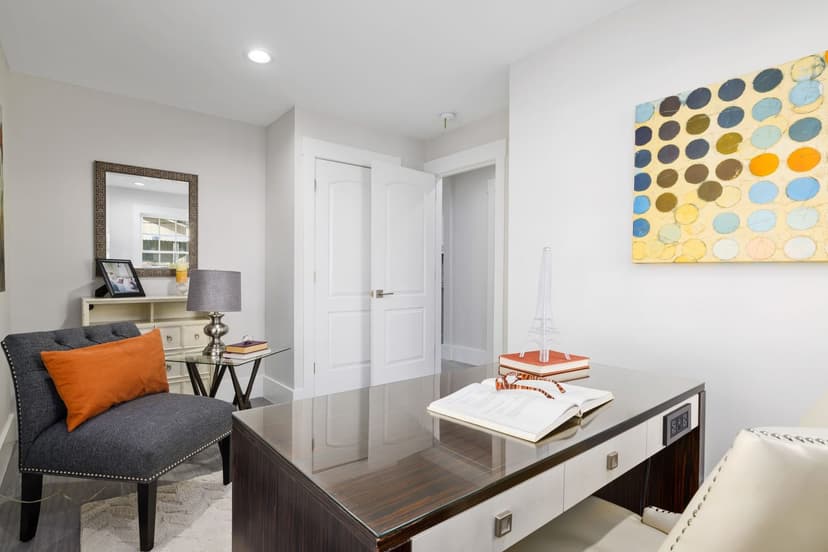
Home office art works twice: it is the backdrop your colleagues see on every video call, and the view you rest your eyes on between tasks. Both jobs favour composed, professional pieces — landscapes, abstracts, architecture, and maps all hold up on camera.
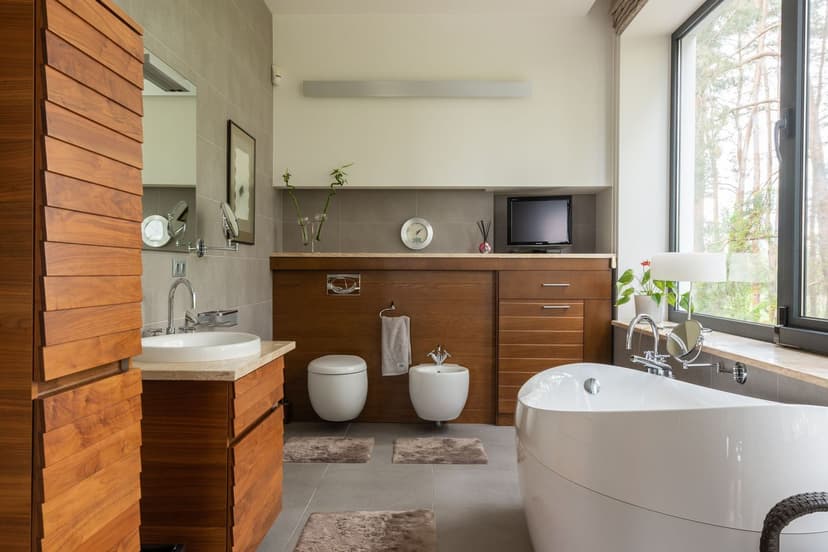
Wall art for bathroom walls has one enemy — moisture — and one great opportunity: small walls where a single well-chosen piece, coastal or botanical or calmly abstract, turns the plainest room in the house into somewhere considered.
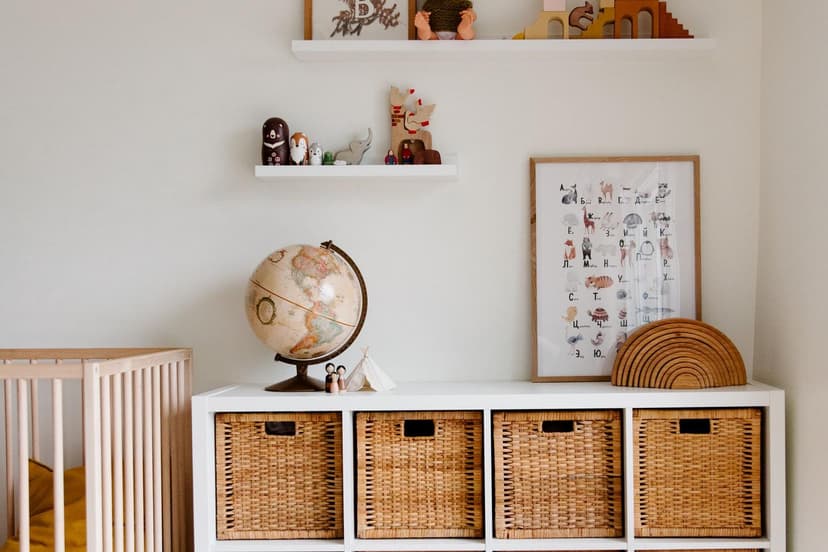
Children's wall art has to do something adult art does not: grow. Animals, maps, space, and storybook-bright illustration suit young children, and the smartest kids' walls are planned to swap pieces as tastes sprint from dinosaurs to astronomy.
Room photography from our buying guides — shown is the guide’s room, not a product photo.
Start with the picture, not the room — every subject below has its own collection.
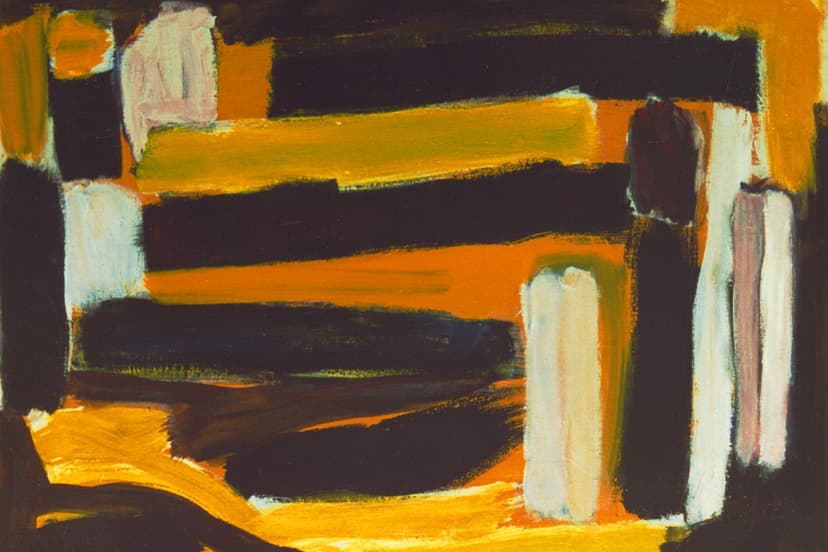
Abstract art is colour, shape, and movement without a scene to recognise — which is precisely its power. An abstract piece sets a room's palette and energy without dictating a theme, and it pairs with any other subject in the house.

Landscapes are the backbone of wall art: mountains, valleys, forests, and open country, painted and photographed in every style from classical to minimal. A landscape gives a room a window it does not have — depth, distance, and somewhere for the eye to travel.

Mountain art is landscape with the volume up: ridgelines, peaks, and alpine light that give a wall genuine depth. It suits rooms that want calm without softness — offices, living rooms, and lodges of every postcode.

Forest art brings the green indoors: woodland paths, misty pines, and canopy light. It is among the most restful subject matter we organise — a forest piece in a bedroom or reading corner lowers the room's heart rate on sight.

Coastal art is a holiday that stays: shorelines, dunes, harbours, and open sea in the blues and sandy neutrals that make rooms feel like the windows are open. It is the defining subject for relaxed, light-filled homes.

Animal art is the most personal subject in the catalog: everyone has a creature. Wildlife photography brings wild places home; illustrated animals carry humour and warmth into kids' rooms, nurseries, and hallways that need a personality.
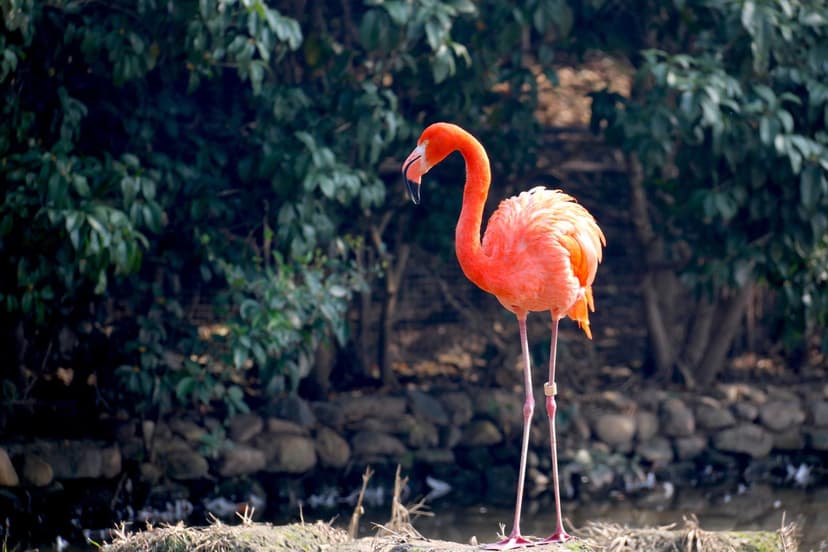
Bird art ranges from scientific-plate studies of single species to flocks in flight across a wide sky. Birds carry a room lightly — movement, colour, and air — and they are a collector's subject: one bird on a wall tends to become several.

Marine life art — whales, turtles, octopus, and reef scenes — brings the underwater world onto the wall in deep blues and greens. It is a natural for bathrooms and coastal rooms, and a calm, curious choice for kids' walls.

Cityscapes put the energy of a place on the wall — skylines, streets, bridges, and the cities people have lived in, loved, or promised themselves. A cityscape is often the most personal print in a home: it is a biography in one image.
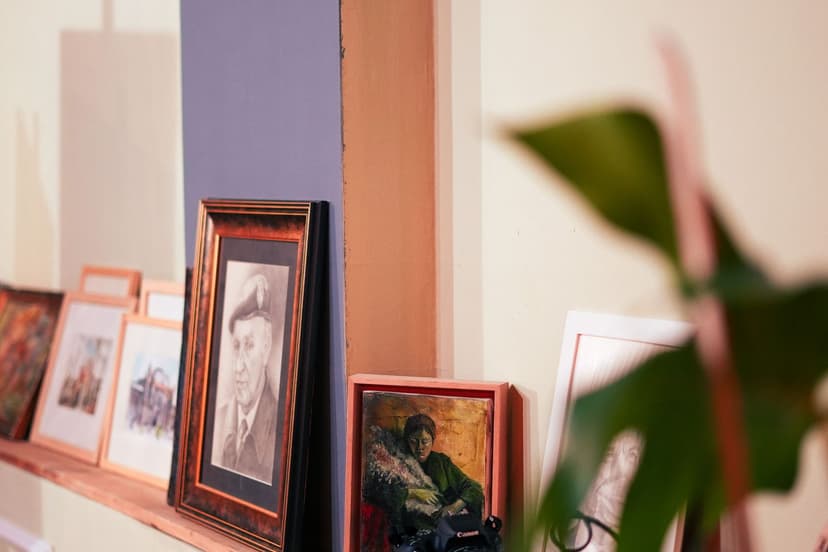
Photography as wall art is the real world, framed: landscapes, streets, wildlife, and quiet observed moments, printed large enough to step into. Photographs carry truth and texture that illustration cannot — and they reward printing well.
Photography from our subject guides — shown is a guide image, not a product photo. Photo credits: Daniel Kraft via Wikimedia Commons (CC BY-SA 3.0); Dietmar Rabich via Wikimedia Commons (CC BY-SA 4.0); Graeme Churchard via Wikimedia Commons (CC BY 2.0).
Match the art to the room’s mood — modern, bohemian, rustic, and more, each with its own collection.
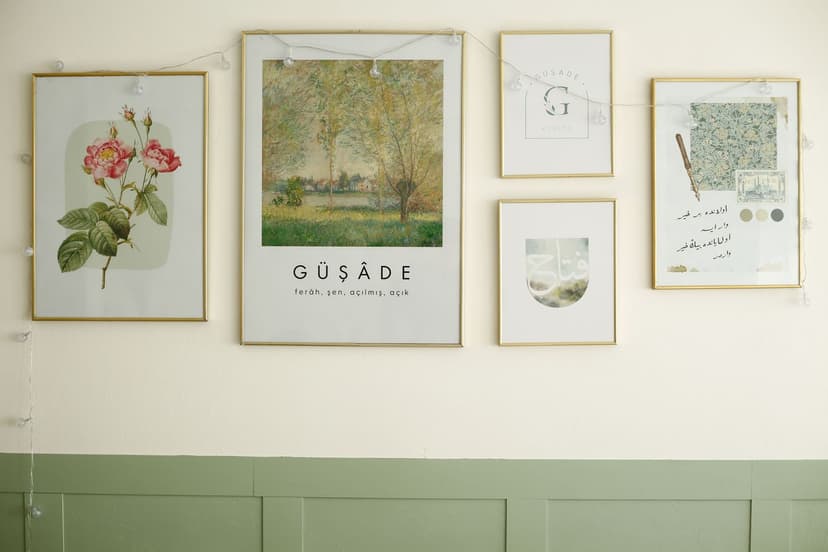
Modern style means clean lines, confident colour, and no ornament for ornament's sake. Modern pieces suit contemporary rooms, give older rooms a lift, and photograph beautifully — which is why modern art anchors so many living rooms.
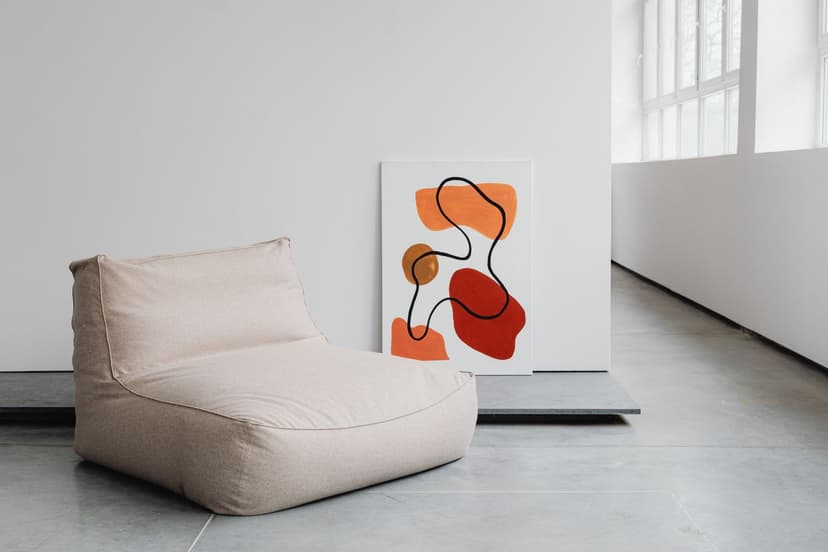
Contemporary style is art of right now — current artists' current preoccupations, in whatever medium the moment favours. It overlaps modern but feels fresher and less bound by rules: expect mixed media, bold scale, and ideas still warm.
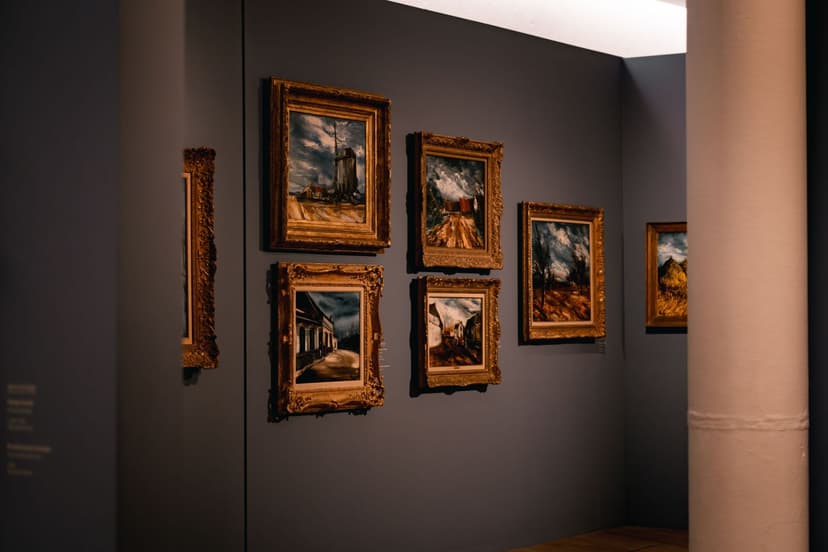
Fine art style is the gallery tradition: work made as art first and decoration second, with the detail and depth to reward close looking. It favours fine art paper, framed canvas, and rooms where people sit still long enough to look properly.
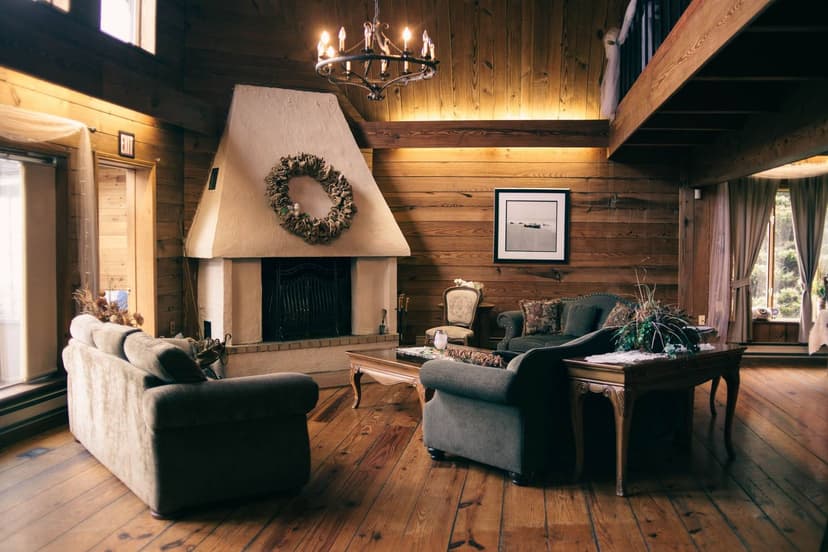
Rustic style is wood, weather, and work: barns, landscapes, wildlife, and lettering with a handmade feel. It is the natural partner of wood prints and farmhouse rooms, and it warms any space that leans too white and shiny.
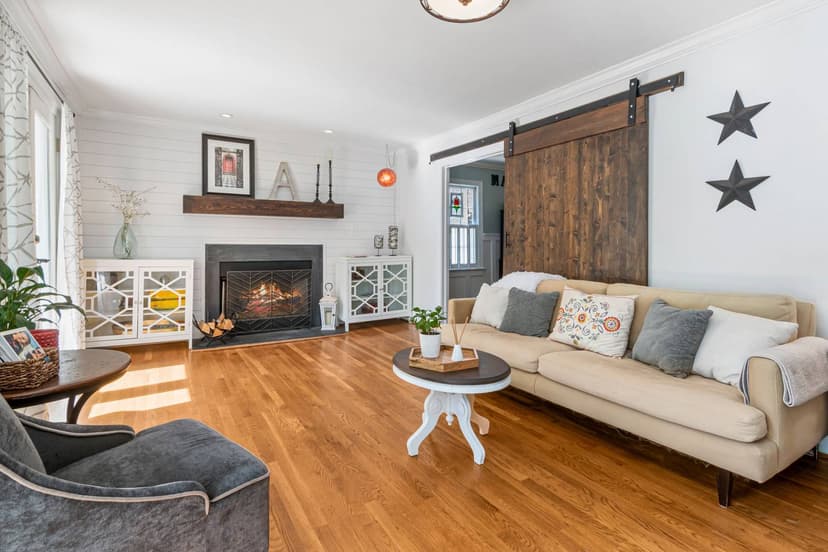
Modern farmhouse blends rustic subjects with modern restraint: neutral palettes, simple typography, botanical studies, and landscapes in black, white, and warm wood tones. It is the defining style of the relaxed American home right now.
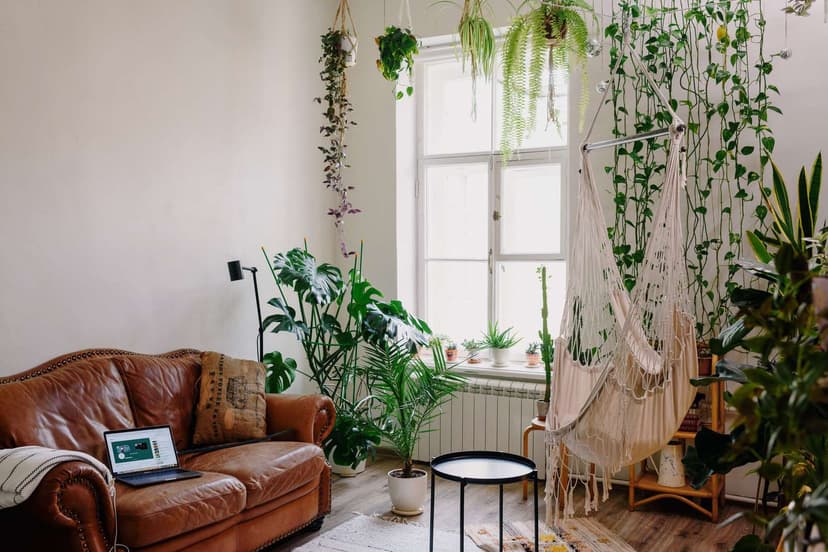
Bohemian style is layered, travelled, and gloriously unprecious: global patterns, earthy colour, plants in every corner, and art collected rather than matched. Bohemian rooms take more art per wall than any other style — and wear it well.
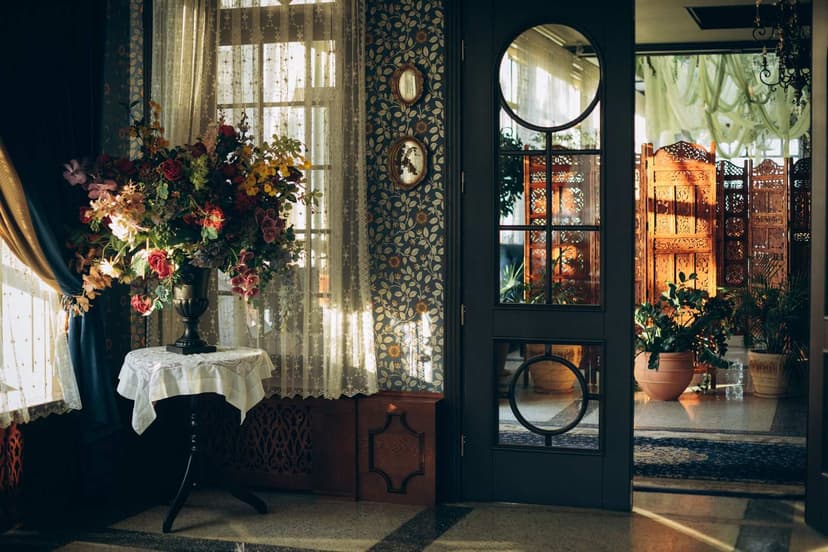
Cottagecore is the romantic countryside as a style: gardens, wildflowers, vintage botanicals, and soft light, celebrating a slower and more handmade life. It suits bedrooms, kitchens, and reading corners that aspire to be a cottage garden in spirit.

Art deco is geometry with glamour: fans, sunbursts, symmetry, and jewel-and-metal colour from the great design decade. Deco pieces are natural headlines — one above a sideboard or bar cart can set an entire room's register.
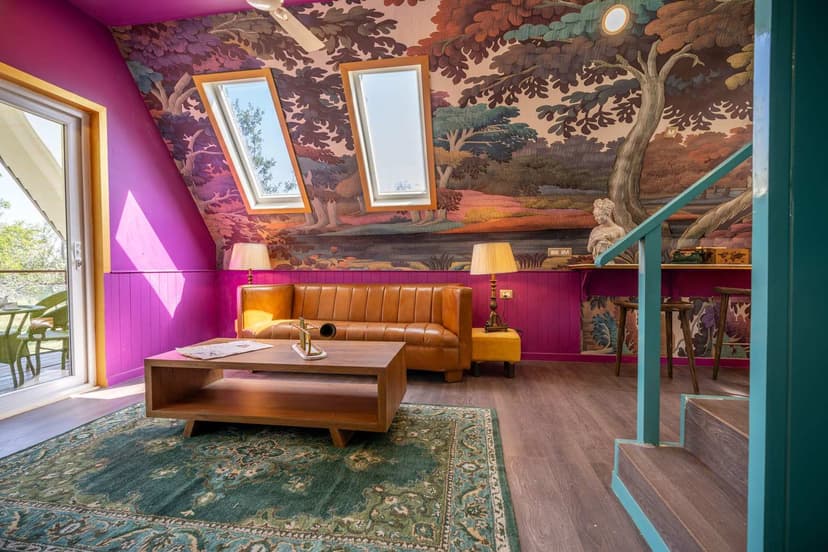
Maximalism is more: more colour, more pattern, more art per wall, arranged with enough confidence to look like joy rather than clutter. Maximalist rooms are galleries of a personality, and every new piece is an excuse to rearrange the whole wall.
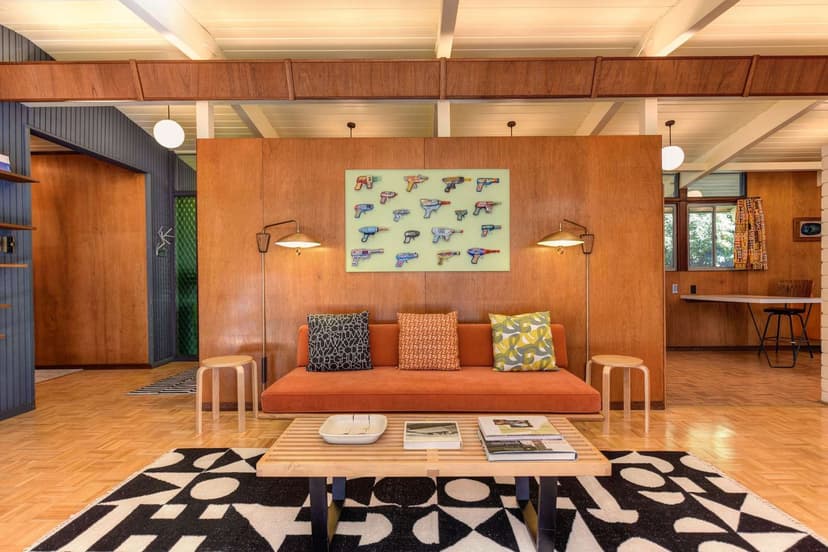
Mid-century modern is the postwar design language: atomic shapes, warm woods, mustard and teal, and art that looks like it was always meant to hang beside a credenza. It is a complete style — pieces chosen for it should respect its palette and geometry.
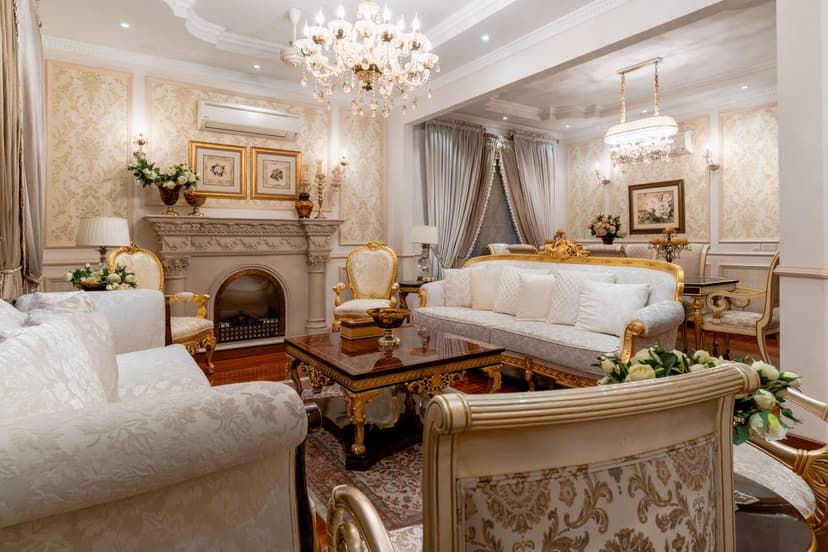
Traditional style is the long view: classical landscapes, still life, portraits, and framed botanical studies in rooms built to last. Traditional art rewards framing — a framed canvas or paper piece, properly hung, is the style's home ground.
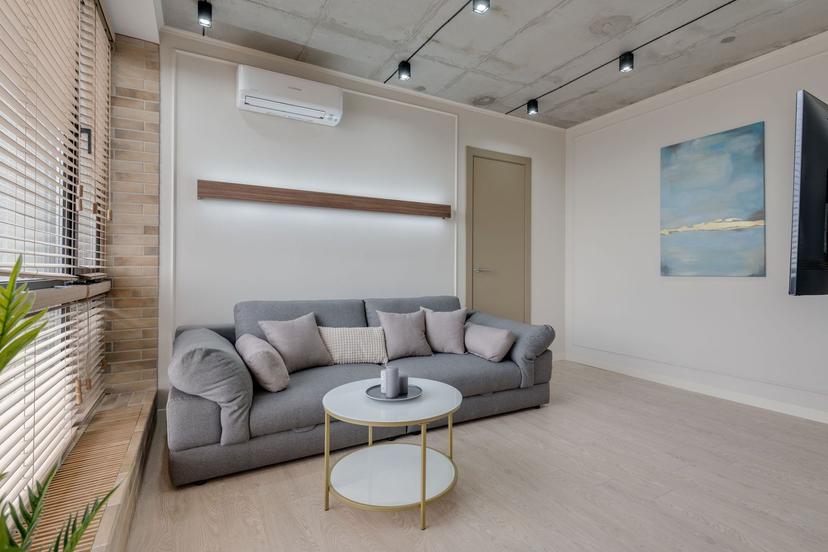
Minimalist style is the discipline of less: one piece, chosen slowly, given air. Minimalist art itself is restrained — line, wash, single colours, generous negative space — and the rooms it suits are calm because everything in them earned its place.
Photography from our style guides — shown is a guide image, not a product photo.
One piece of art, printed the way your wall wants it — seven ways to make it, from classic canvas to wall peels.
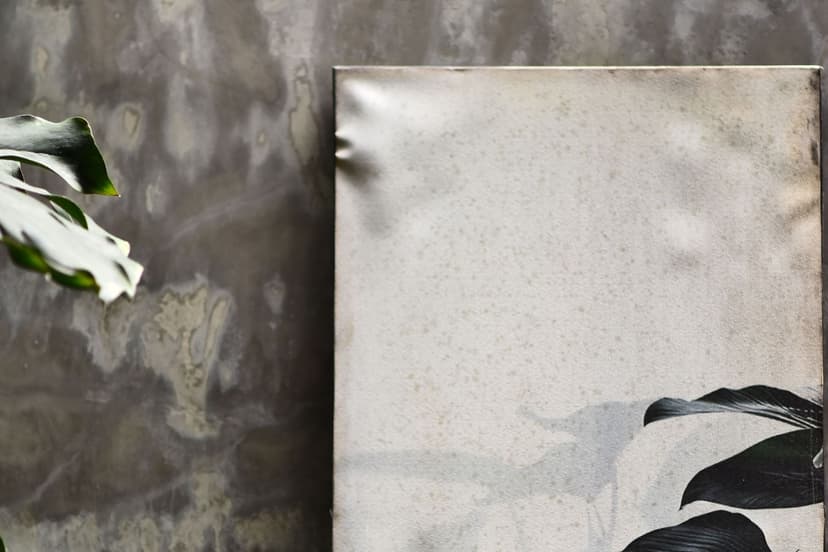
Canvas is the classic gallery format: artwork printed on canvas fabric and wrapped around a wooden stretcher frame, so the image continues around the edges and the piece hangs with no frame required. It is light, forgiving of bright rooms, and the format most people picture when they say wall art. Shoppers often call the same thing canvas picture prints: a favourite photograph or artwork printed on canvas fabric and gallery-wrapped, so the finished piece is wall art in its own right, not a loose print still waiting for a frame. That construction is what the phrase stretched canvas prints names: canvas pulled taut over a wooden stretcher frame and stapled at the back, so the print and its support arrive as one piece.
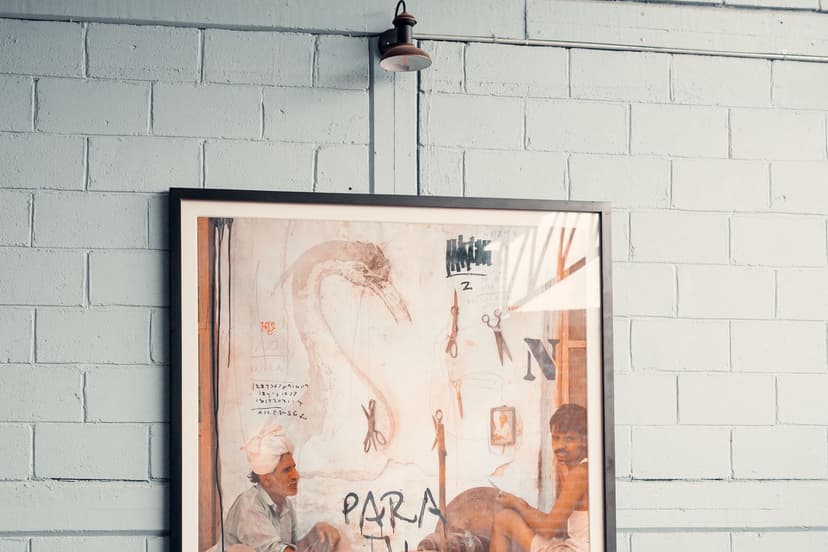
Framed canvas wall art pairs a gallery-wrapped canvas with a slim floater frame — a thin border that sits around the wrap with a small shadow gap, giving the piece a finished, gallery-hung look without covering any of the image. It is the upgrade to choose when a room leans formal.
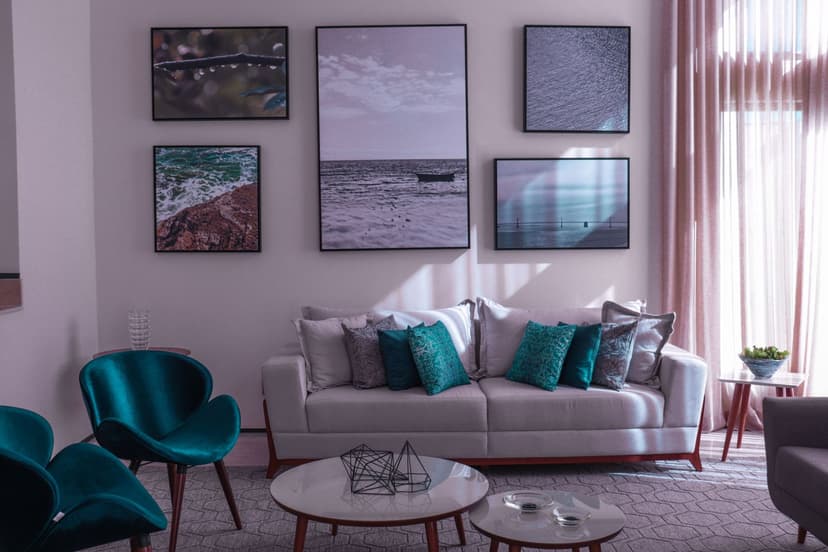
Fine art paper is the museum format: artwork printed on heavyweight, matte art paper with a smooth or lightly textured surface, made to sit behind glass in a frame. It renders fine detail and subtle tones beautifully, which is why illustrators and photographers favour it for their most detailed work. It is also the format most buyers mean when they search for fine art giclee prints: a pigment-ink print on archival paper, made to be framed and kept.
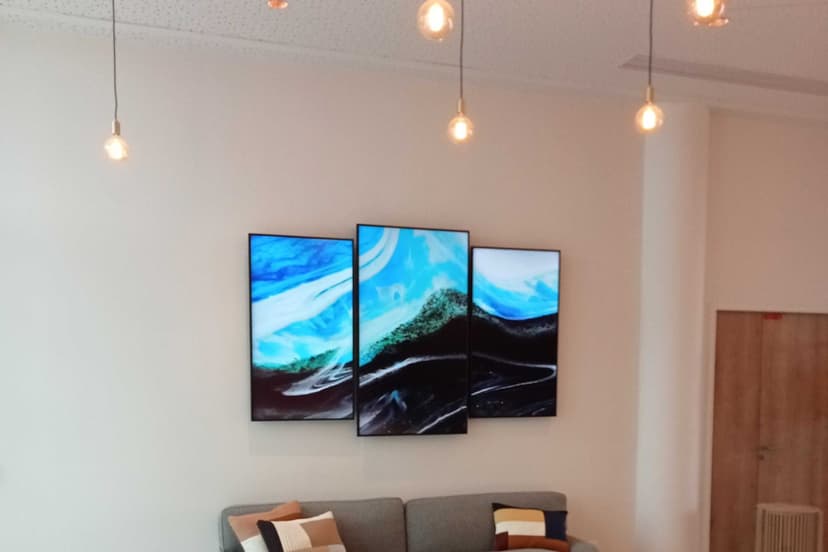
Acrylic photo prints bond the artwork to a sheet of clear acrylic glass, so light passes through the image and comes back with unusual depth and gloss. Colours look saturated, blacks look deep, and the finished piece has the polished feel of a gallery or a high-end hotel wall.
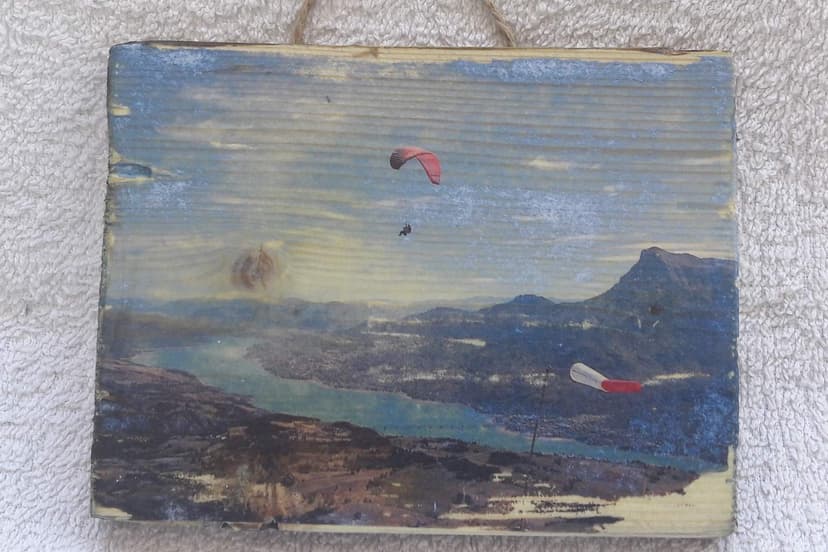
Photo prints on wood put the artwork directly onto a real wood panel, and the grain of the timber becomes part of the image — light areas let the wood show through, so every piece is subtly one of a kind. It is the warmest, most tactile format we organise art by.

Metal wall art infuses the artwork into a coated aluminium panel, producing a slim, frameless piece with a smooth modern surface and crisp detail. The panel is rigid, durable, and moisture-resistant, which makes metal a practical choice almost anywhere in the home.
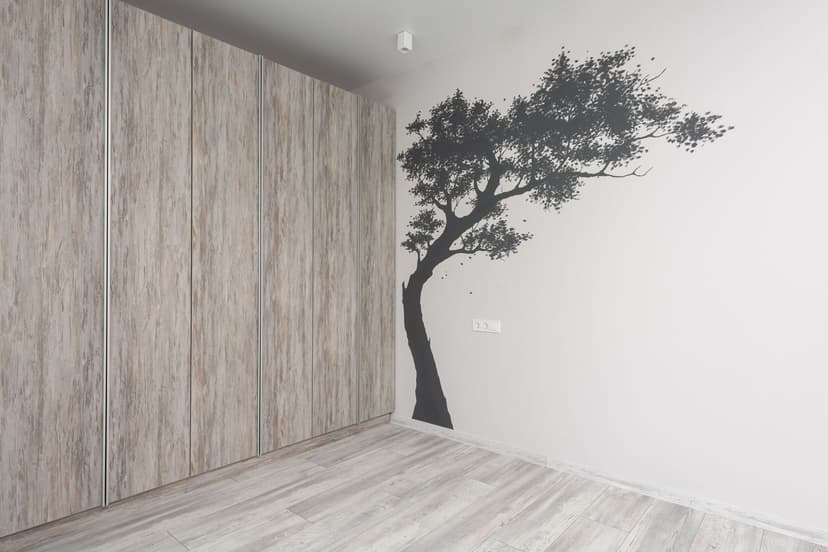
Wall peels are on our format roadmap, not yet on our shelves: removable art panels designed to press onto a smooth wall and peel away cleanly — full-size wall art with no nails and no holes. This page explains the format while we wait for a print partner who can produce them.
Photography from our format guides — shown is a guide image, not a product photo. Photo credits: Créa Cau via Wikimedia Commons (CC BY-SA 4.0).
The price on the page is the price — no crossed-out list prices, no forever-on-sale games, no countdown timers.
Every piece ships with its hanging hardware already installed. Unbox it, hang it, done.
Send it back if you don't love it — the policy says in plain English exactly what the terms say.
Editorial collections of our guides and articles, grouped by room, subject, style, and format.
The full catalog opens as our print partners connect — collections below are live today.

Wildflower art is the meadow brought indoors: unstructured, colourful, and cheerful in a way formal florals are not. It suits kitchens, kids' rooms, and anywhere a wall could use a little untidiness of the best kind.
1 article
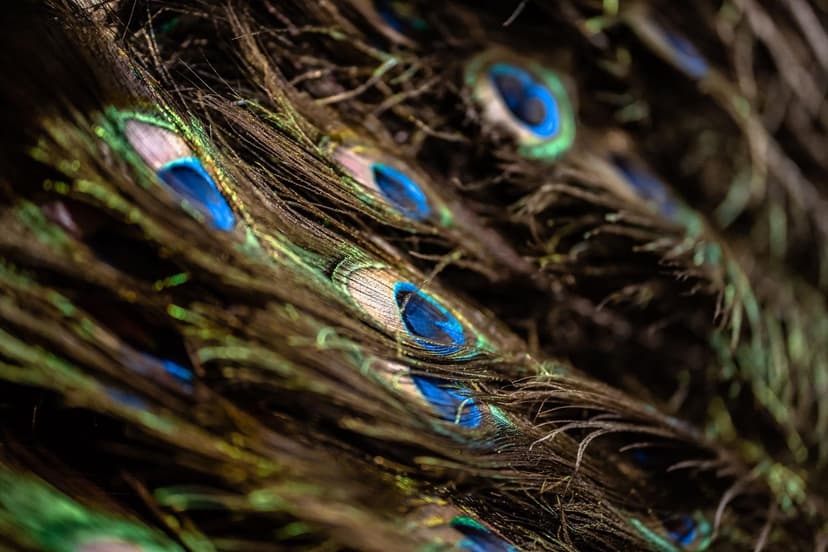
Peacock art is maximalism with feathers: iridescent blues and greens and a tail that fills a frame like a fan. A peacock piece is never background — it is the wall's headline, and rooms with jewel tones or art deco leanings take it beautifully.
1 article

Safari animal art — elephants, lions, giraffes, and the savanna they walk — carries warmth, scale, and story. In warm neutral rooms it reads as classic; in a nursery it reads as adventure, and it holds both audiences for years.
1 article
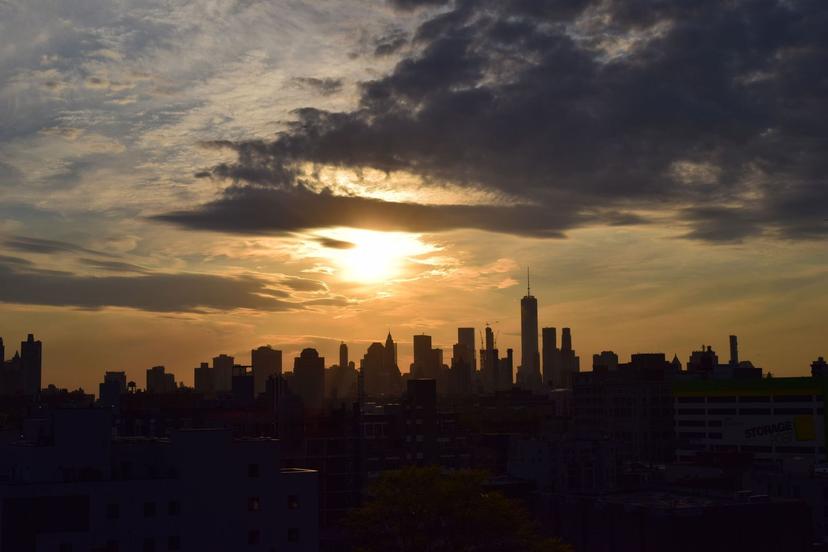
New York art is the skyline above all skylines — bridges, brownstones, yellow cabs, and avenues that run to the horizon. Whether it is home, a former home, or a standing ambition, the city earns its wall like nowhere else.
1 article

Paris art is romance with architecture: rooftops, boulevards, cafe corners, and one unmistakable tower. It suits bedrooms, dressing areas, and dining rooms — anywhere a wall benefits from being a little more in love with life.
1 article
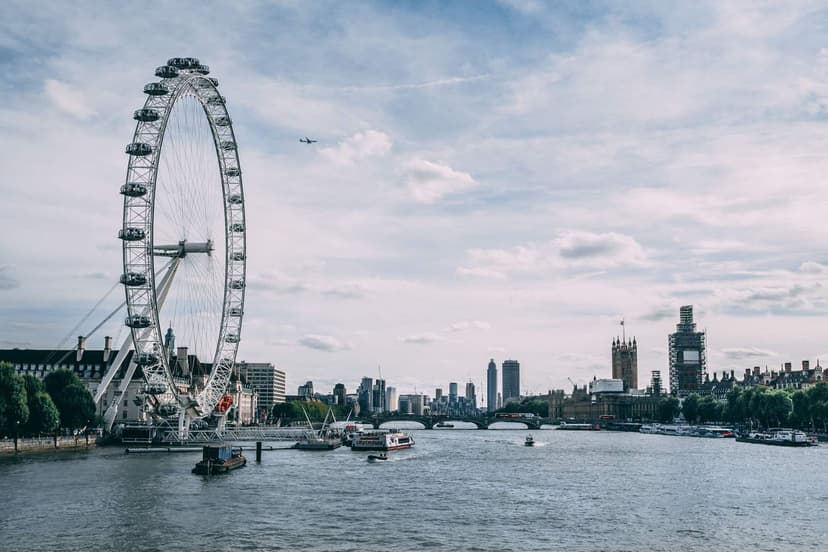
London art is the river city: bridges in the mist, Georgian terraces, market streets, and a skyline where domes and towers share the view. It suits studies, hallways, and entryways — and anyone whose biography runs through the Thames.
1 article
Editorial collections — our published guides and articles.
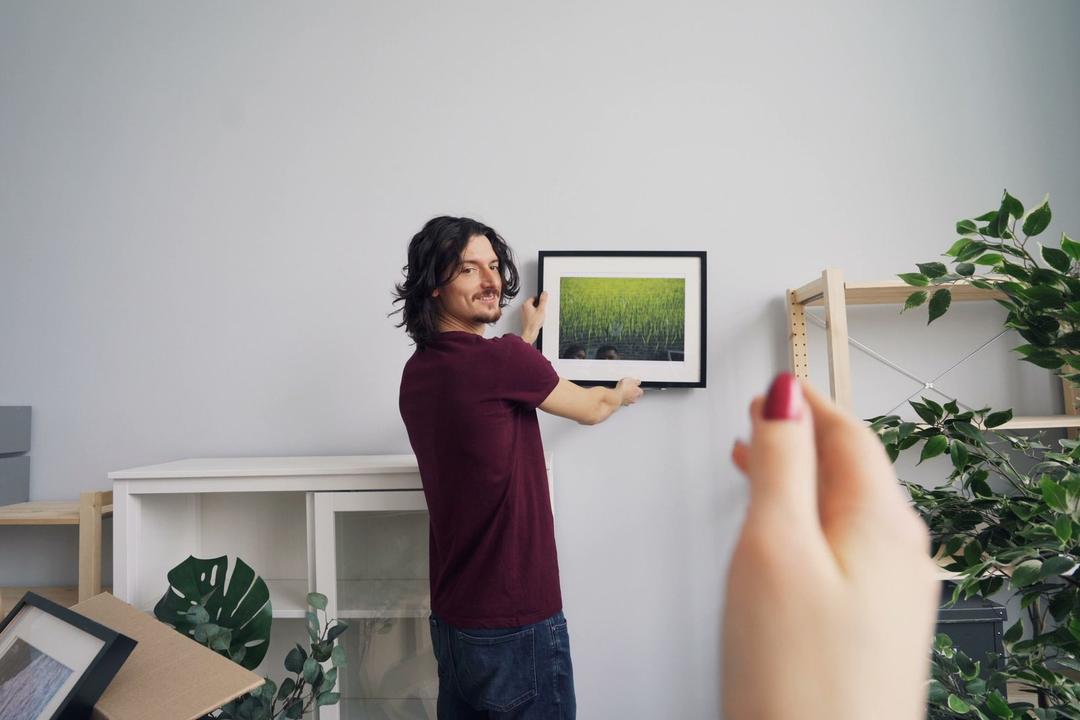
The Custom studio turns your photo into canvas wall art — and the full size-and-material price structure is published before you upload anything. Your photo is processed entirely in your browser and never uploaded.
Interior designers, stagers, and businesses: our Trade program will publish its pricing plainly — what the discount is, what the minimum is, no quote-request runaround.
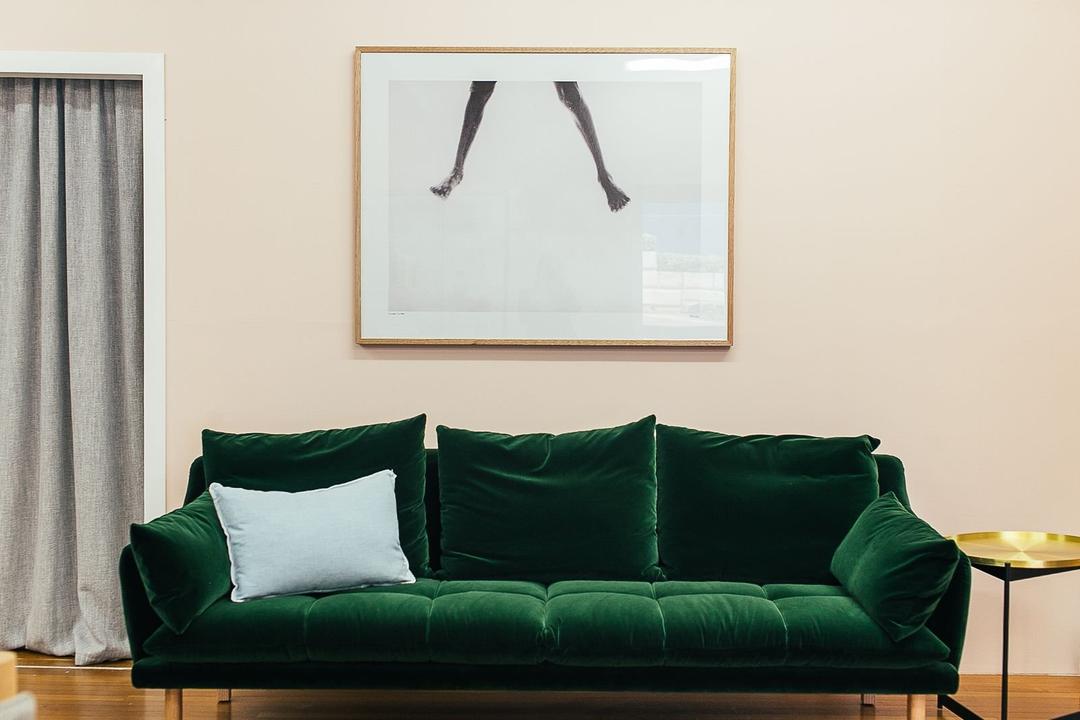
Pick an artwork, pick a print size, and see it at true size on a room scene or your own photo — your photo is processed in your browser and never uploaded.
Rooms, formats, subjects, and styles — the guides everything else builds on, explained in plain terms.
When our store opens: here, at one real price, with the delivery date stated before you pay. Today the honest answer is that Canvas Tiger is not selling yet — the store opens when the first print partner connects. Until then these guides help you choose well wherever you buy, and the waitlist below tells you the day buying here starts.
The pieces readers keep choosing in our guides are large single statements over sofas, botanical and coastal subjects, and gallery walls built from personal photos. Our wall art styles guide walks the styles honestly — what each one asks of a room, and how long it is likely to feel right — rather than declaring a trend of the month.
The store opens when the first print partner connects. Until then, read what we’re building or get in touch.
Join the launch waitlist and you’ll get three things: first access when the store opens, the launch-day catalogue and pricing reveal in your inbox, and founding-customer status. No discount is promised — being first, and seeing the real prices the day they publish, is the benefit.

